- Why do barrier-free washrooms matter?
- How does urinary incontinence impact bathroom use?
- What are the different types of urinary incontinence?
- How can barrier-free washrooms support incontinence management?
- What new elements help to define a barrier-free washroom?
- How do barrier-free washrooms address emotional well-being?
- How can Advantage Home Health Solutions help?
Creating a safe and accessible home environment becomes increasingly important as we age or manage mobility challenges. Among all areas of the home, the bathroom presents one of the highest risks for slips, falls and loss of independence. A barrier-free washroom is more than a convenience. It is a vital component of maintaining dignity, safety and quality of life for seniors, individuals with disabilities and their caregivers.
Why do barrier-free washrooms matter?
Bathrooms are often small, enclosed spaces with hard surfaces and water exposure. That makes them inherently hazardous. Daily tasks that were once simple, like stepping into a bathtub or getting up from a toilet, can become difficult or even dangerous.
Barrier-free washrooms remove obstacles and introduce supportive features that allow individuals to use the space safely and independently. This not only reduces the risk of injury but also helps maintain confidence and autonomy. For families and caregivers, bathroom modifications provide peace of mind, knowing their loved ones are safer in one of the most accident-prone areas of the home.
How does urinary incontinence impact bathroom use?
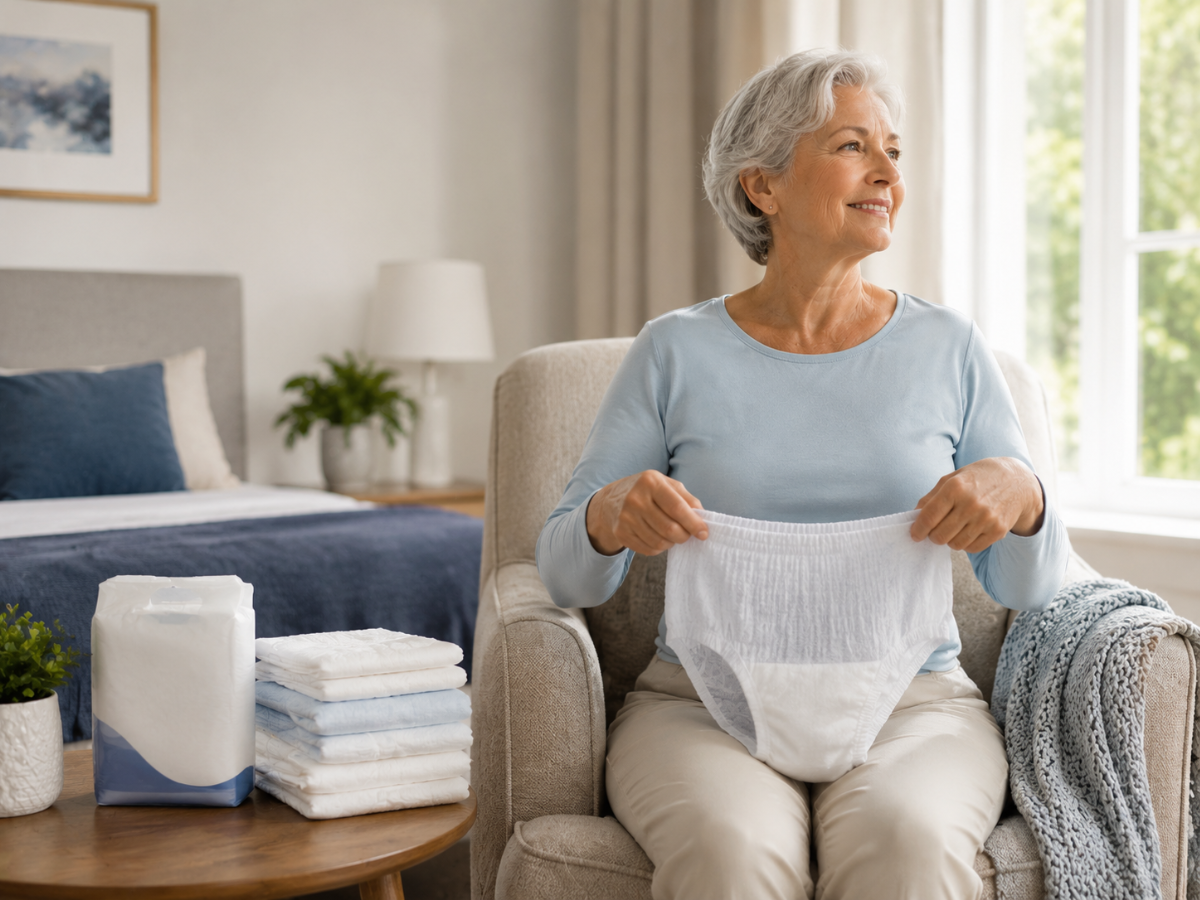
Urinary incontinence is a common condition that significantly affects bathroom use and overall daily life. According to MyHealth.Alberta.ca, “urinary incontinence is the accidental release of urine. It can happen when you cough, laugh, sneeze, or jog. Or you may have a sudden need to go to the toilet but can’t get there in time.” Southern Alberta Surgical Centre further explains that urinary incontinence (UI) is “the involuntary loss of urine, a common problem for up to 50% of women at some point in their lifetime.”
This condition is especially prevalent among older adults and can stem from a variety of causes. They include weakened pelvic floor muscles, nerve issues and age-related changes. Symptoms vary depending on the type but often include leakage during physical activity or a sudden, urgent need to urinate.
What are the different types of urinary incontinence?
Types of urinary incontinence include stress incontinence which refers to leakage during activities like coughing or lifting. Urge incontinence is the sudden, intense urge to urinate followed by leakage. Mixed incontinence is a combination of stress and urge symptoms. Overflow incontinence is caused by incomplete bladder emptying.
Living with incontinence can be physically uncomfortable and emotionally distressing. It often leads to anxiety about reaching the bathroom in time. This can reduce confidence and limit social engagement.
How can barrier-free washrooms support incontinence management?
Barrier-free washrooms play a crucial role in helping individuals manage urinary incontinence with dignity and ease. Firstly, they provide users with faster and safer access to the facilities. When urgency strikes, every second counts. A well-designed washroom eliminates obstacles, allowing for quick and safe access to the toilet.
Barrier-free washrooms also offer a reduced risk of falls. Rushing to the bathroom increases the likelihood of slips and falls. Features like non-slip flooring, grab bars and clear pathways help prevent accidents. Improved hygiene and comfort is another benefit. Accessible showers and seating options make it easier to maintain personal hygiene. This is especially important for those experiencing frequent leakage. Barrier-free washrooms also enhance confidence. Knowing the bathroom is easy to use can reduce anxiety and restore a sense of control over daily routines.
What new elements help to define a barrier-free washroom?
Creating a barrier-free washroom doesn’t always require a full renovation. Many small, cost-effective changes can significantly improve safety and usability. Strategically placed grab bars near the toilet and in the shower provide essential support for sitting, standing and maintaining balance. A raised toilet seat reduces the effort required to sit down and stand up, making toilet use safer and more comfortable.
Bright, well-placed lighting helps prevent missteps and ensures better visibility, especially during nighttime bathroom visits. Slip-resistant mats or flooring can dramatically reduce the risk of falls in wet areas. Widening pathways is also a good idea. It’s wise to ensure there is enough space to move freely, especially for those using walkers or wheelchairs.
Utilizing a transfer bench is also smart. These benches extend outside the tub, allowing users to sit and slide into the bathing area safely. A transfer bench is especially valuable in wet, high-risk areas where balance can be compromised. Transfer benches are most beneficial for older adults, individuals recovering from surgery, such as hip or knee replacements. They are also ideal for those with limited mobility, weakness or balance challenges.
How do barrier-free washrooms address emotional well-being?
Bathroom challenges can affect more than just physical safety. They can also impact emotional well-being. Conditions like urinary incontinence may lead to embarrassment, frustration or social withdrawal. A barrier-free washroom helps restore dignity by enabling individuals to manage personal care independently. This independence can significantly improve mental health and overall quality of life.
Barrier-free washrooms also make life easier for caregivers. Assisting someone in a cramped or unsafe bathroom can be physically demanding and increase the risk of injury for both parties. Accessible features reduce the strain on caregivers and allow them to provide support more safely and efficiently.
With cramped spaces and slippery, hard surfaces, the bathroom can be the most dangerous room in your home. Bath safety products are specially designed to create barrier-free washrooms, providing a safer environment and helping prevent dangerous slips and falls.
How can Advantage Home Health Solutions help?
At Advantage Home Health Solutions, we offer a wide range of bathroom safety products and services tailored to your needs. They include commode chairs, bath lift chairs, grab bars, transfer benches and more! The most common safety concerns in the bathroom involve getting on and off the toilet and safely entering and exiting the tub. With the right equipment, these daily challenges can become much safer and easier.
We are committed to helping individuals in Calgary and surrounding areas live safely and independently at home. Our experienced team works closely with clients, caregivers and healthcare professionals to design practical, functional and safe bathroom spaces. We offer expert advice, professional installation and even free in-home assessments to identify potential safety concerns and recommend the best solutions.
Contact us today and let us show you how you can create a barrier-free washroom that enhances safety, comfort and independence. If you can’t make it into the store, we’re happy to come to you. Please don’t hesitate to call the Advantage Home Health Solutions team at 403-460-5438. You may also email us by filling out the form on our Contact page!