How Barrier-Free Washrooms At Home Promote Independence
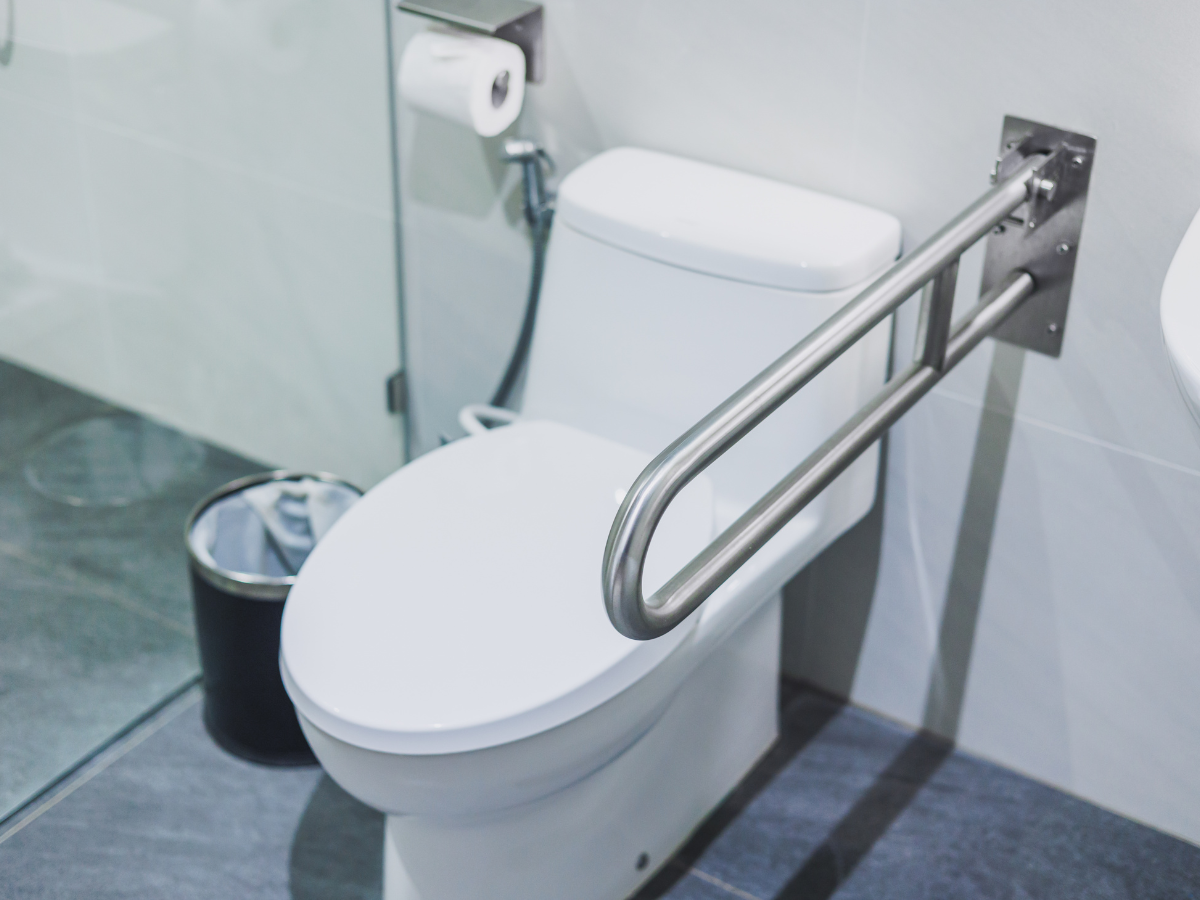
Creating a safe and accessible home environment becomes increasingly important as we age or manage mobility challenges. Among all areas of the home, the bathroom presents one of the highest risks for slips, falls and loss of independence. A barrier-free washroom is...
Understanding Incontinence And The Best Ways To Manage It
Incontinence is a condition that affects millions of people. Nevertheless, it is often misunderstood or avoided in conversation. According to the Canadian Continence Foundation, urinary incontinence is simply defined as loss of bladder control. 3.3 million Canadians...
Providing Personal Health Care Products To Make Your Life Easier
Incontinence can most easily be described as a loss of bladder control. Needless to say, it is considered an embarrassing condition as it can present some very unfortunate situations. We’re all susceptible to experiencing incontinence at some point in our lives. It is...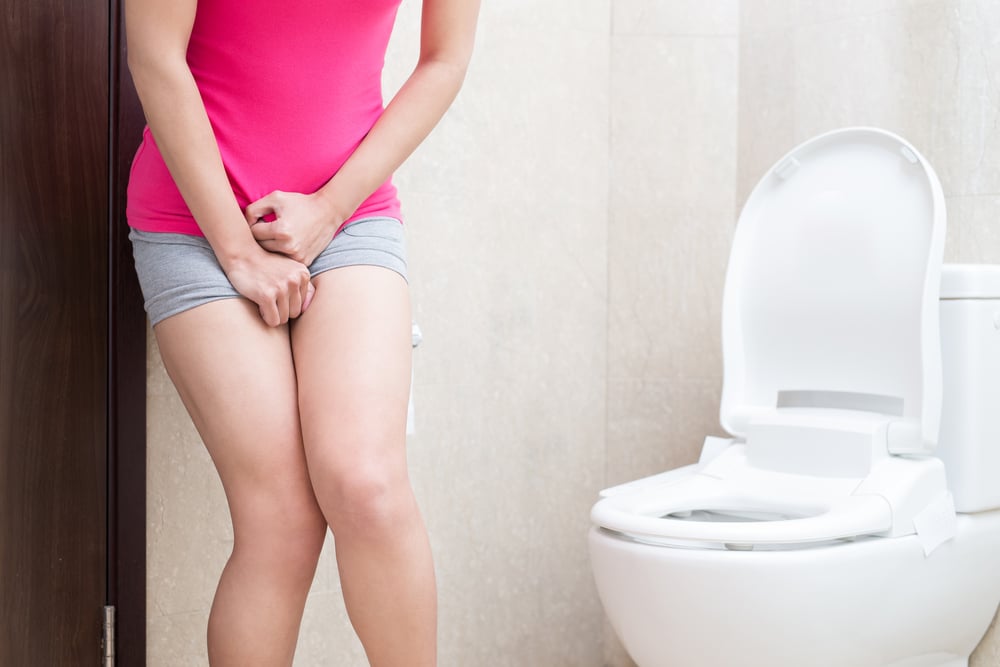
Can Incontinence Impact Young People?
Generally, when we think of incontinence, we conjure up images of older adults who are unable to control their bladders. And while it is true that many seniors contend with incontinence, it is not a condition that is exclusive to the older population. It is possible...
How To Overcome The Challenges Posed By Incontinence
Incontinence is defined as the involuntary loss of bladder and bowel control. According to The Canadian Continence Foundation, approximately 3.5 million Canadians experience some form of incontinence. “Individual research estimates for the prevalence of incontinence... We want to help you understand what options are available so you have the information you need to determine the best solution for you in your home. We welcome your inquiry!